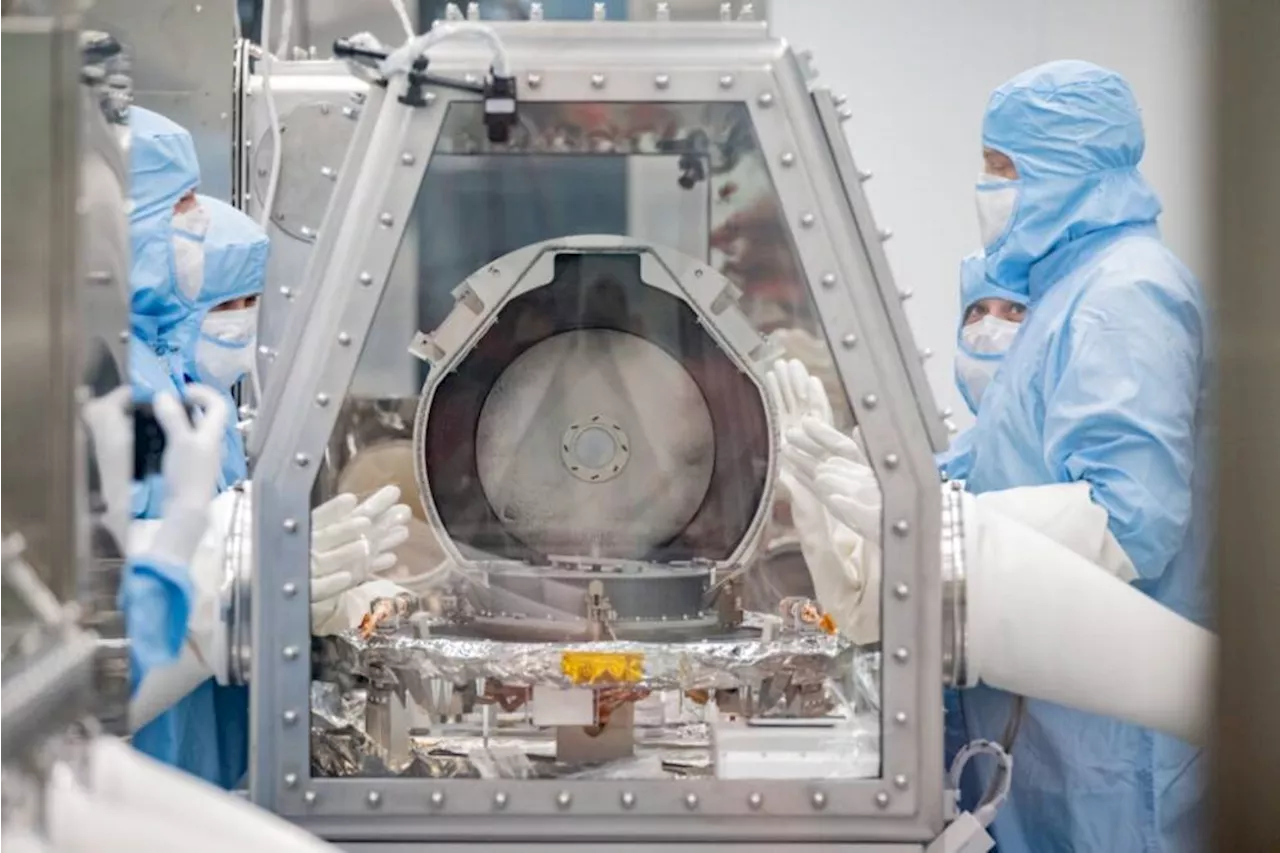
Analysis of samples from asteroid Bennu reveals a surprising inventory of organic molecules, including amino acids and nucleobases, key ingredients for life. While no signs of life were found, the discovery provides valuable insights into the chemistry of the early solar system and suggests that life's building blocks may be more common throughout the solar system than previously thought.
Scientists analyzing samples from asteroid Bennu have found something remarkable: Despite being a cold, lifeless rubble pile that formed around 65 million years ago, it holds a rich inventory of organic molecules - key ingredients for life. harvested from the surface of Bennu were published Wednesday. While no signs of life were found, the results provide valuable insights into the chemistry of the early solar system.
All those organic compounds need a proper environment to develop in, and Bennu shows evidence of containing that, too. The Nature paper found evidence of evaporated brine minerals, suggesting that Bennu's parent body - a larger proto-planet or asteroid - once contained liquid water and compounds critical to life, including sodium-bearing phosphates and carbonates, as well as sulfates, chlorides, and fluorides.
"The clues we're looking for are so minuscule and so easily destroyed or altered from exposure to Earth's environment," Danny Glavin, NASA Goddard senior sample scientist and co-lead author on the Nature Astronomy paper,."That's why some of these new discoveries would not be possible without a sample-return mission, meticulous contamination-control measures, and careful curation and storage of this precious material from Bennu.
"The transport and delivery of organic compounds from could have been a source of molecules available for the emergence of life on Earth and potentially elsewhere," the authors of the Nature Astronomy paper said. This might be the first look at what sort of surprises Bennu has in store for us, but more remains to be discovered.
ASTEROID ORGANICMOLECULES LIFEBEGINNINGS SOLARSYSTEM SAMPLEANALYSIS
United Kingdom Latest News, United Kingdom Headlines
Similar News:You can also read news stories similar to this one that we have collected from other news sources.
 The Masked Singer UK: Kingfisher's Costume Holds Vital Clues for FansCostume designer Tim Simpson reveals that Kingfisher's intricate outfit contains hidden clues about the celebrity's identity. He hints at subtle details within the design that viewers should pay close attention to.
Read more »
 Mum's Diary Holds Clues to Crete Death 15 Years OnA private detective used a deceased woman's diary to identify a suspect in her death, leading to charges being prepared by Greek authorities.
Read more »
 Asteroid 2024 YR4: 1.3% Chance of Christmas 2032 ImpactA newly discovered asteroid, 2024 YR4, has a 1.3% chance of colliding with Earth on December 22, 2032. The space rock, estimated to be between 130 and 330 feet in size, is currently the only large asteroid with an impact probability above 1%. While the International Asteroid Warning Network (IAWN) has issued a Potential Impact Warning Notification, experts stress that the asteroid's orbit is still uncertain and a miss is the most likely outcome. Scientists will continue to track YR4 and its potential threat level.
Read more »
 Newly discovered asteroid poses tiny risk to Earth in 2032A recently found asteroid, designated 2024 YR4, has a 1% chance of hitting Earth in 2032. While space agency officials stress that there is no cause for alarm, scientists are closely monitoring the asteroid's path. The asteroid is estimated to be 130 to 330 feet across and is currently heading away from Earth. As its orbit becomes clearer, the risk of impact could decrease to zero. Powerful telescopes will continue to observe the asteroid until it fades from view in the coming months.
Read more »
 Building Blocks of Life Found in Asteroid RubbleA NASA spacecraft mission brought back samples from asteroid Bennu, revealing traces of a salty brine rich in minerals and organic compounds. These molecules are the building blocks of DNA, suggesting asteroids like Bennu may have delivered these key ingredients to Earth billions of years ago.
Read more »
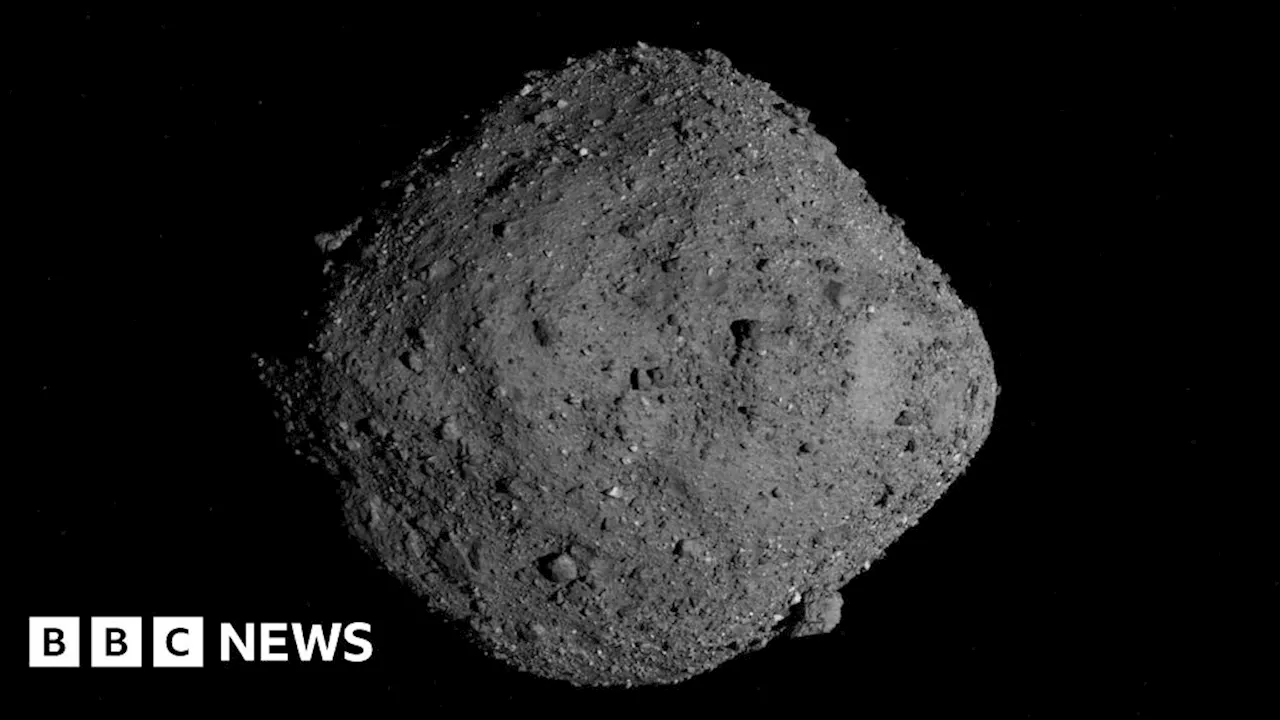 Building Blocks of Life Found in Asteroid DustAnalysis of asteroid Bennu dust reveals the presence of amino acids and nucleobases, supporting the theory that asteroids delivered the ingredients for life to Earth billions of years ago.
Read more »