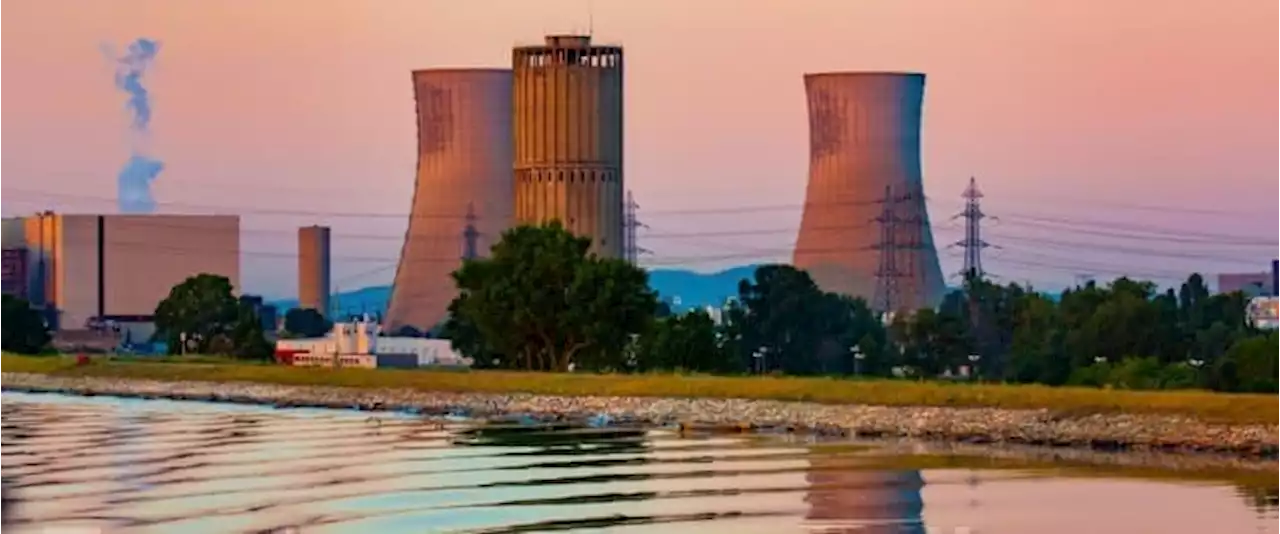
A growing global effort aims to shift public opinion on the safety and necessity of nuclear power as a key component in achieving a green transition and meeting net-zero carbon emission goals.
Nuclear energy is emerging as a stable, reliable, and green alternative to other forms of energy, particularly as countries strive for decarbonization under the Paris Agreement.
Public perception, influenced by past disasters like Chornobyl and campaigns from organizations like Greenpeace, has been a barrier to the adoption of nuclear power, despite it being one of the safest and least-polluting forms of energy according to data. Governments are pumping new funding into nuclear energy with 486 reactors either planned, proposed, or under construction worldwide, signaling a shift from previous hesitations and warnings about the energy source.There is now a concerted effort to change the global public perception of nuclear power, as governments worldwide look to rapidly expand their clean energy sources to achieve a green transition. Nuclear power has come on a long journey, from widely popular to demonised and back again.
Under the Paris Agreement and the annual COP climate summits, more and more countries around the globe are striving for decarbonisation. Several governments have committed to the target of net-zero carbon emissions by 2050, intending to shift reliance away from fossil fuels to renewable alternatives. But to achieve these goals, governments must rapidly develop their clean energy sources.
In comparison to many renewable energy sources, nuclear power is highly stable. In 2020, nuclear power plants produced maximum power more than 92 percent of the time during the year, which was as natural gas and coal units, and almost 3 times or more reliable than wind and solar plants.Until battery storage becomes more widely developed, nuclear power will continue to be the most consistent provider of clean energy, making it highly effective for a green transition.
United Kingdom Latest News, United Kingdom Headlines
Similar News:You can also read news stories similar to this one that we have collected from other news sources.
 Fire call-outs rose as Merseyside baked in summer heatwaveAs temperatures rose, new data has shown the impact on Merseyside Fire and Rescue Service
Read more »
 Banishers: Ghosts of New Eden's new extended gameplay trailer is giving me the ethical sweatsCountless moral dilemmas are bound to ensue.
Read more »
 China is stoking anger over Japan’s release of nuclear wastewaterThe feud may have more to do with politics than health
Read more »
 Putin halts flights as drone strike rocks town near nuclear plant'Investigators are on the scene to assess the extent of the damage.'
Read more »