
Researchers at the University of Surrey have developed a new computer simulation to model how our brains develop and grow neurons. The simulation uses real neuron growth data and a technique called Approximate Bayesian Computation (ABC) to ensure accuracy. This breakthrough could lead to advancements in neurodegenerative disease research and stem cell therapy.
University of SurreyOct 18 2024 A new computer simulation of how our brains develop and grow neurons has been built by scientists from the University of Surrey. Along with improving our understanding of how the brain works, researchers hope that the models will contribute to neurodegenerative disease research and, someday, stem cell research that helps regenerate brain tissue.
The research team used a technique called Approximate Bayesian Computation , which helps fine-tune the model by comparing the simulation with real neuron growth. This process ensures that the artificial brain accurately reflects how neurons grow and form connections in real life. The simulation was tested using neurons from the hippocampus—a critical region of the brain involved in memory retention. The team found that their system successfully mimicked the growth patterns of real hippocampal neurons, showing the potential of this technology to simulate brain development in fine detail. How our brain works is still one of the greatest mysteries in science. With this simulation, and the rapid advancements in artificial intelligence, we’re getting closer to understanding how neurons grow and communicate. We hope that one day this work could lead to better treatments for devastating diseases like Alzheimer’s or Parkinson’s—changing lives for millions.” The accuracy of the model is closely tied to the quality of the data used to calibrate it. If the real-life neuron data is limited or incomplete, the precision of the simulation may decrease. While the current model has shown impressive results in replicating the growth of specific neurons, such as hippocampal pyramidal cells, further adjustments may be needed to accurately simulate other types of neurons or regions of the brain. The computer simulation is built from the BioDynaMo software, which Dr Bauer co-developed. The software supports scientists to easily create, run, and visualize multi-dimensional agent-based simulations, be they biological, sociological, ecological or financial. Source:University of Surrey Journal reference:Duswald, T., et al. Calibration of stochastic, agent-based neuron growth models with approximate Bayesian computation. Journal of Mathematical Biology. doi.org/10.1007/s00285-024-02144-2.
BRAIN DEVELOPMENT NEURON GROWTH COMPUTER SIMULATION NEURODEGENERATIVE DISEASES STEM CELL RESEARCH
United Kingdom Latest News, United Kingdom Headlines
Similar News:You can also read news stories similar to this one that we have collected from other news sources.
 Scientists investigate the rise in early-onset cancers and propose new strategies to combat growing epidemicResearchers explore the global rise in early-onset cancers, linking environmental exposures and lifestyle changes to the surge, and advocate for tailored prevention and treatment strategies.
Read more »
 Housing Executive unveils first new-build houses in a generationThe first Sunningdale tenants will be moving into their new homes over the coming days
Read more »
 Northampton Market returns home after £10m faceliftThe historic market has new stalls from Italy, new paving, new lighting and new trees.
Read more »
 The new ZX Spectrum full-size retro computer even includes rubber keysIan Dean is Editor, Digital Arts & 3D at Creative Bloq, and the former editor of many leading magazines. These titles included ImagineFX, 3D World and video game titles Play and Official PlayStation Magazine. Ian launched Xbox magazine X360 and edited PlayStation World.
Read more »
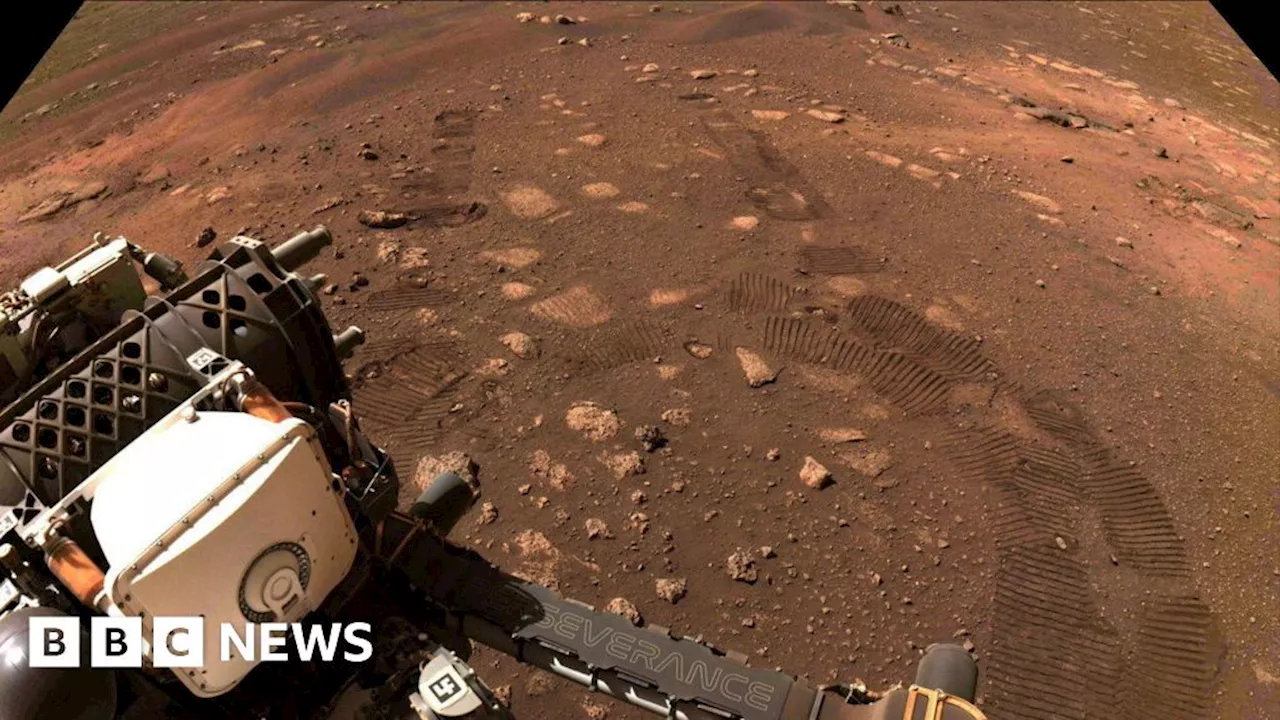 Martian sand can be used to build in space, Dublin scientists findResearchers made bricks that could form the basis for future extra terrestrial settlements.
Read more »
 New computer simulation offers insights into brain functionA new computer simulation of how our brains develop and grow neurons has been built by scientists from the University of Surrey.
Read more »