
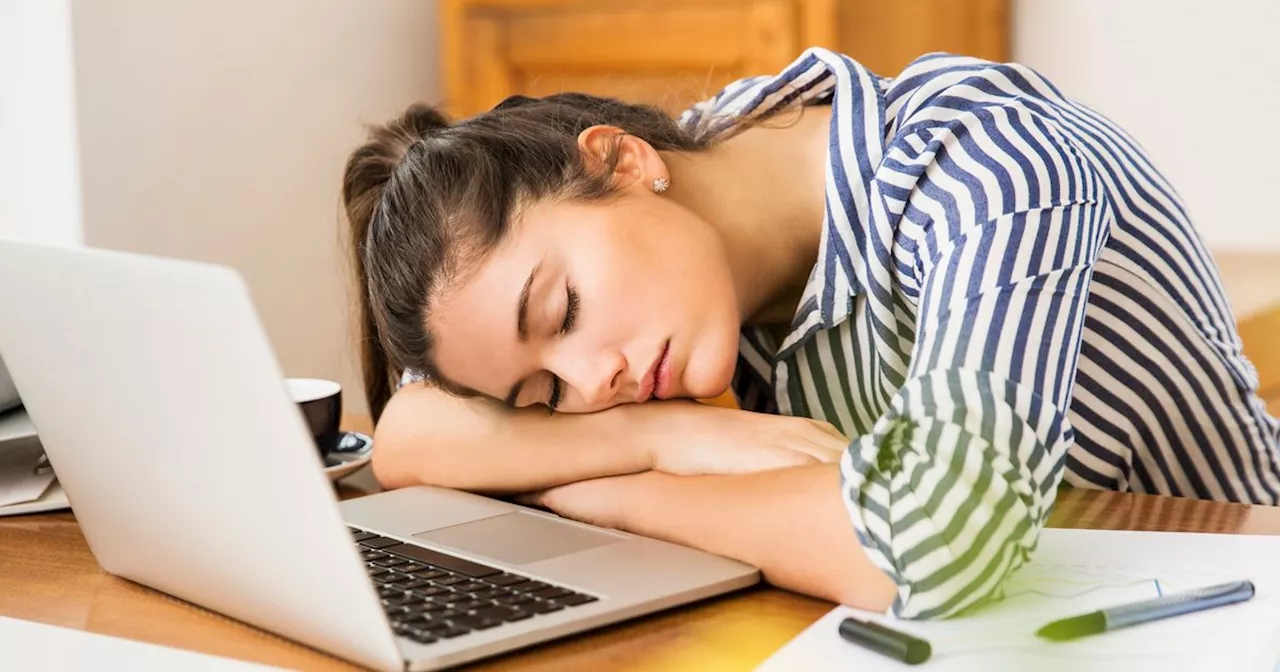
Experts caution against napping after 3pm, as it can interfere with nighttime sleep. While short naps can be beneficial, timing is crucial. The Sleep Foundation recommends napping at least eight hours before bedtime to avoid sleep cycle disruption. This guidance aligns with the Mayo Clinic's suggestion of napping in the 'early afternoon'. Napping can be tempting, especially during colder months or after lunch when the circadian rhythm promotes sleepiness.
Experts are cautioning against dozing off at a particular time of day, suggesting it could exacerbate sleeping difficulties at night. Disrupted sleep is not uncommon and may be brought on by various factors including stress, anxiety, health issues or physical discomfort, preventing many from getting the recommended seven to nine hours of sleep nightly.
The NHS highlights that one in three people may suffer from sleep troubles at some time. To offset the effects of insomnia, many opt for daytime naps. Napping also becomes more tempting during the colder months due to shorter days and common seasonal sicknesses. While occasional short naps can be beneficial, timing is key to avoiding adverse impacts on nighttime sleep. The Sleep Foundation advises against napping after 3pm, as this can lead to insomnia later one. Aiming for a nap at least eight hours before going to bed is a simple guideline to prevent disruption to the sleep cycle. The foundation notes: "Experts typically recommend that adults take naps eight or more hours before bedtime. For most people, that means napping before 3 pm. Napping too late in the day may contribute to nighttime sleep problems." If you're feeling sluggish after lunch, a quick nap might just be the ticket. The foundation explained: "For some people, naps may feel natural or even necessary after lunchtime." It refers to this as the post-lunch dip, which is not solely due to eating but also connected to our circadian rhythm, the internal clock that cycles every 24 hours. "Within this cycle are two peak periods for sleepiness," it says. "The greatest peak is during the night, and the second one falls in the early afternoon." This guidance is supported by experts at the Mayo Clinic who suggest napping in the "early afternoon". They advise: "Napping after 3pm can make it harder for you to sleep soundly at night. Factors such as your need for sleep, sleeping schedule, age and medicine use also can play roles in figuring out the best time of day to nap." So, how long should a nap last? Both the Sleep Foundation and Mayo Clinic propose a nap duration of 20 to 30 minutes to prevent disrupting nighttime sleep. The foundation advises: "In general, the best nap length for adults is about 20 minutes and no longer than 30 minutes. Sleeping for 20 minutes allows the napper to get a bit of light sleep to boost alertness without entering into deep sleep." They warn that waking from deep sleep can lead to grogginess and exacerbate tiredness. If you're struggling with insomnia, the NHS recommends speaking to your GP:
Sleep Napping Insomnia Circadian Rhythm Sleep Cycle
United Kingdom Latest News, United Kingdom Headlines
Similar News:You can also read news stories similar to this one that we have collected from other news sources.
 NFL: Cincinnati Bengals capitalise on late Dallas Cowboys error to clinch late winThe Cincinnati Bengals capitalise on a late Dallas Cowboys blunder to end their three-game losing streak and win 27-20 in the NFL.
Read more »
 Late Late's Kielty pays tribute to 'amazing kids' as RTE reveal record figures'I can't believe it's over for another year but I'm still buzzing from a magical Toy Show'
Read more »
 Experts Offer Tips to Avoid Sleep Paralysis as UK Experiences Sleep CrisisA sleep expert shares advice on preventing sleep paralysis, a condition affecting nearly one-third of the global population. The UK is facing a 'sleep crisis' with soaring NHS admissions for sleep-related issues.
Read more »
 TikTok Sleep Hack: Can Lettuce Water Really Help You Sleep?A viral TikTok trend suggests drinking lettuce water before bed can promote relaxation and improve sleep. TikTokers and sleep experts explain the science behind this unusual hack, claiming it can help combat winter sleep disruptions.
Read more »
 Sleep Expert Shares Tips for Helping Kids Sleep on Christmas EveSleep expert Dave Gibson has partnered with Viabiotics to offer parents advice on how to help their children get a good night's sleep on Christmas Eve.
Read more »
 Dry January: Can Giving Up Alcohol Improve Your Sleep?A GP shares top tips for resetting your sleep schedule and getting the best rest of your life, suggesting Dry January as a great way to do so. Alcohol, though often mistaken as a sleep aid, actually disrupts the restorative stages of sleep, leaving you feeling less refreshed. The GP explains that while eliminating alcohol can lead to improvements in sleep quality and deeper rest, it may also cause temporary sleep challenges like insomnia during the initial stages of quitting.
Read more »