
Evidence-based safe sleep practices like back sleeping, room-sharing without bed-sharing, and clutter-free sleep environments can significantly reduce the risk of SIDS and other sleep-related infant deaths. Public health initiatives and culturally sensitive education aim to close safety gaps and save infant lives.
Understanding SIDS and sleep-related infant deathsControversies and cultural considerations Safe sleep practices such as placing infants on their backs, using firm flat surfaces, and avoiding bed-sharing can cut SIDS risk in half.
Coordinated education, policy, and culturally aware strategies are vital to protect all babies.Introduction Infant sleep-related deaths, including sudden infant death syndrome , accidental suffocation, strangulation in bed, and deaths of unknown cause, are collectively referred to as sudden and unexpected infant death . In U.S. surveillance, these categories correspond to ICD-10 codes R95 for SIDS, R99 for unknown or undetermined cause, and W75 for accidental suffocation and strangulation in bed. This article reviews evidence-based infant safe sleep guidance from the American Academy of Pediatrics , the United States Centers for Disease Control and Prevention , and the World Health Organization , explains the risks of SIDS and SUID, outlines practical risk-reduction steps, in addition to reviewing prevention campaigns and policies. Understanding SIDS and sleep-related infant deaths SUID refers to any sudden and unexpected death in infancy, whether explained or unexplained. When a death is classified as an unexplained sudden death in infancy or SIDS, no specific cause of death was determined after scene review, autopsy, and clinical history. Other SUIDs are explained, including accidental suffocation and strangulation in bed . Unknown cause cases are those in which evidence is insufficient to determine a specific explanation.2 In the U.S., about 3,500 infants die every year from sleep-related causes like SIDS, unknown cause, and ASSB. Non-Hispanic Black and American Indian/Alaska Native infants have consistently higher infant mortality rates, with this disparity reflecting broader social and environmental inequities that include differences in sleep practices and socioeconomic stressors.2 The risk of sleep-related deaths is highest in the first six months of life, peaking at 1–2 months of age. Therefore, vigilant adherence to safe-sleep practices is particularly crucial during this stage of life. The widely accepted “triple-risk” model proposes that SIDS occurs when certain factors intersect. These factors can include an intrinsically vulnerable infant, such as those with brainstem or autonomic abnormalities and impaired arousal or autonomic responses, an exogenous stressor like an unsafe sleep setting, as well as a critical developmental period in the first year of life, with the highest risk in the first 4 months. Environmental factors that also increase the risk of SUID include soft bedding, hazardous surfaces, and high-risk scenarios such as bed-sharing in specific contexts. Evidence-based safe sleep guidelines Every infant should be placed on their back, facing up on a firm, flat, and non-inclined surface in the parents’ room, but on a separate infant sleep surface. The American Academy of Pediatrics specifies a tightly fitting sheet covering a mattress in a safety-approved crib, bassinet, play yard, or bedside sleeper. A mattress incline of greater than 10° is considered unsafe. Soft or memory-foam mattresses are also dangerous, as these surfaces can indent and obstruct breathing. Room-sharing without bed-sharing reduces SIDS risk by up to 50% and prevents suffocation hazards that can occur in adult beds. The AAP recommends keeping the infant within view and arm’s reach but on a separate surface for at least the first six months of life, and ideally throughout the first year.2-4 The infant’s sleep space must remain free of pillows, loose blankets, quilts, bumpers, stuffed toys, or weighted products. These items increase the risk of SIDS and accidental suffocation; therefore, caregivers are advised to use wearable blankets/sleep sacks or layered clothing for warmth while avoiding overheating and ensuring hats or head coverings are not used indoors. For product clarity, the June 2021 U.S. Consumer Product Safety Commission rule requires that any infant sleep product must meet existing federal safety standards for cribs, bassinets, play yards, and bedside sleepers. Devices like inclined sleepers, in-bed sleepers, nests/pods, hammocks, compact or travel bassinets are not recommended. The 2022 AAP policy also addresses short-term emergency sleep locations such as cardboard box programs, emphasizing that these are not substitutes for safety-approved products and should only be used when safety guidance is provided.2,3,4 Risk reduction strategies Meta-analyses have consistently revealed that any breastfeeding reduces the risk of SIDS, with even stronger protection associated with exclusive breastfeeding. As a result, current guidelines recommend exclusive breastfeeding or providing infants with expressed milk for at least the first six months of life and use the term human milk feeding to reflect inclusion of expressed milk. Offering a pacifier at naps and bedtime is also protective against SIDS and may be introduced once breastfeeding is established for breastfed infants. If the pacifier falls out after the infant falls asleep, it does not need to be replaced. Infants should not be exposed to thermal stress, as safe-sleep guidance emphasizes the importance of preventing the infant from overheating and avoiding their heads from being covered during sleep.5 Routine immunization is linked with a reduced risk of SIDS and is recommended as part of comprehensive infant care. Maternal health behaviors are pivotal, as regular prenatal care reduces the risk of SUID. Comparatively, prenatal and postnatal exposure to tobacco, alcohol, and illicit drugs significantly increases SIDS risk, especially when these behaviors are combined with bed-sharing. Healthcare staff and childcare providers should model and teach risk reduction practices from birth, of which include room-sharing without bed-sharing, firm flat sleep surfaces, and clutter-free cribs. These strategies, combined with breastfeeding, judicious pacifier use, avoiding overheating and substance exposure, consistent prenatal care, and accurate caregiver education, are key to evidence-based SIDS prevention.5 Controversies and cultural considerations The burden of SUIDs primarily concentrates in families experiencing social and economic deprivation, with clear inequities by age and socioeconomic status. Specific hazards like parental smoking, alcohol, or drug use, sofas, and fragile infants are particularly dangerous while bed-sharing, especially with infants under 4 months, those born preterm or with low birth weight, or when sleeping occurs on sofas or armchairs. In crib distribution programs throughout the U.S., over one-third of families initially lacked a crib and would have shared a bed. Elsewhere, about 25% of individuals did not have a suitable infant sleep space at enrollment. Current best practice is shifting from a one-way information delivery to a relationship-based, culturally sensitive exchange that involves peers, partners, and family, with any advice personalized to lived realities and building trust over time, often described as an information exchange model rather than one-way information giving.6 Public health campaigns and policy efforts Cribs for Kids® distributes portable cribs with wearable blankets, pacifiers, and education through hundreds of partner sites. Surveys suggest that many infants would otherwise sleep in adult beds, with a large-scale distribution and few sleep-related deaths among recipients.1,6 Hospitals and pediatric teams reinforce these messages through discharge education, signed safe-sleep commitments, staff training, audits, and on-demand videos. In fact, the National Safe Sleep Hospital Initiative certifies facilities that adopt policies, train staff, and sustain improvement. Trials and evaluations of nurse-led models such as the Nurse-Family Partnership and Maternal Early Childhood Sustained Home visiting also report better maternal well-being, stronger adherence to safe sleep, and lower preventable mortality signals in disadvantaged populations.1,6 A total of 43 U.S. states currently regulate childcare sleep position, location, bedding, and SIDS risk-reduction training. Major intervention categories include health messaging, professional education, removing caregiver barriers, adapting to cultural and traditional practices, and legislation or regulation. Together, these campaigns, clinical systems, home-visiting services, and regulatory frameworks work to promote safe infant sleep.1,6 Conclusions Infants should be placed in a supine position for all sleep on a firm, flat, non-inclined, and clutter-free surface. Current recommendations emphasize room-sharing without bed-sharing, avoiding overheating, breastfeeding, and pacifier use at sleep once feeding is established, with no need to replace the pacifier if it falls out after sleep onset. These measures, all of which are endorsed by the AAP and align with public-health data, reduce the risk of SIDS, accidental suffocation, and other sleep-related deaths. Sustained progress now depends on continuous public education, rigorous surveillance, and research to refine guidance and products, including clear safety parameters for any short-term emergency sleep locations.
Infant Safety SIDS Newborn Health Public Health Parenting Pediatrics
United Kingdom Latest News, United Kingdom Headlines
Similar News:You can also read news stories similar to this one that we have collected from other news sources.
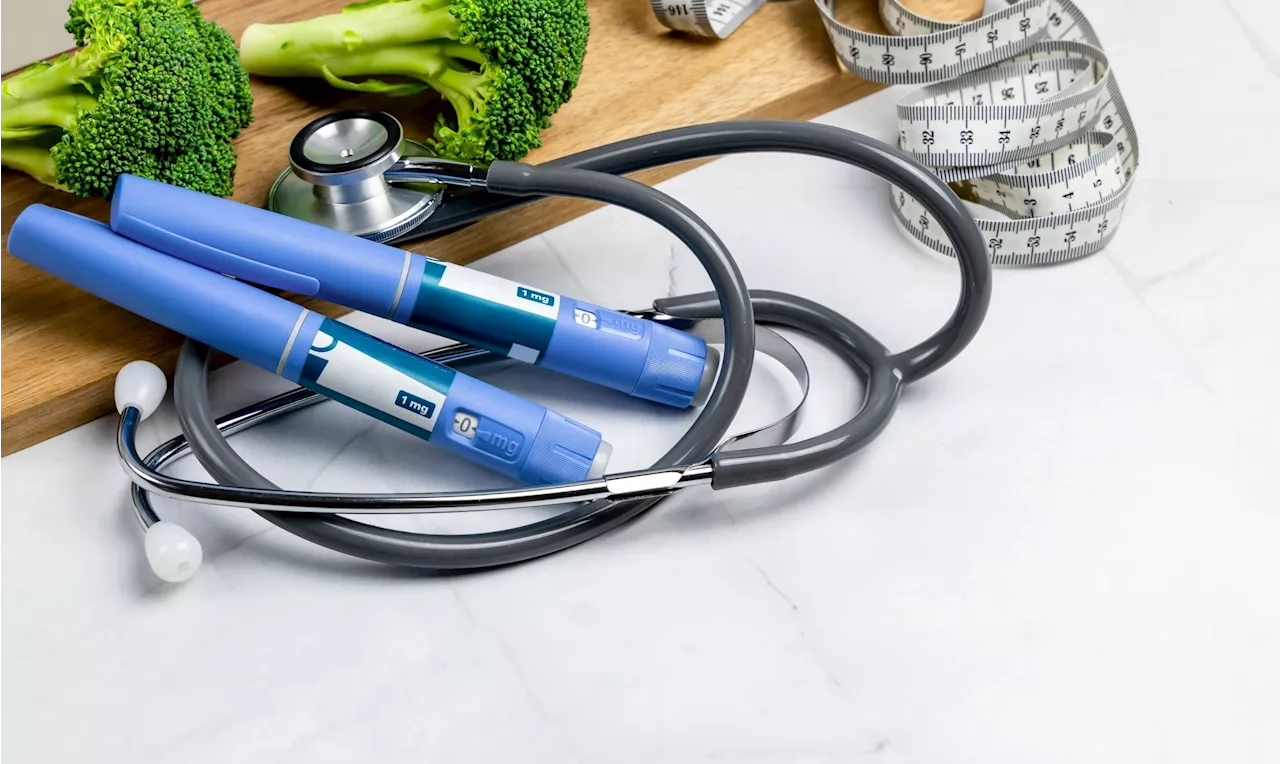 GLP-1 and Diet: Evidence-Based Strategies for Better Weight LossGLP-1 receptor agonists such as semaglutide and liraglutide promote significant weight loss and improved glycemic control, particularly in patients with type 2 diabetes, when combined with tailored dietary strategies.
Read more »
 Plant-based milk not 'nutritionally equivalent' to cows' milk, experts sayNo plant-based milk available in the UK is 'nutritionally equivalent' to cows' milk, a team of UK experts has concluded.
Read more »
 4,000 young people experience the outdoors thanks to Shropshire-based education charityA leading Shropshire environmental education charity has played its role in helping nearly 4,000 students to get outside into the countryside.
Read more »
 Private parking charges 'often based on faulty evidence' claims MLASDLP MLA calls for regulation after dealing with 'countless cases' of people targeted using 'dubious tactics'
Read more »
 Bacterial Risks at Beaches and Evidence-Based Safety StrategiesBeaches face escalating risks from microbial contamination due to climate change and human activity, increasing the burden of waterborne illnesses for swimmers. Integrating advanced monitoring technologies, improved public education, and policy reforms is essential for protecting beachgoers’ health.
Read more »
 IRF-5 identified as key to preventing immune cell exhaustionIn fighting chronic infections or certain cancers, CD8+ T cells-the immune system's frontline soldiers-eventually become exhausted. They lose effectiveness and respond less efficiently to threats.
Read more »