
Scientists analyzing dust and pebbles from asteroid Bennu have found sodium-rich minerals, amino acids, and nitrogen, suggesting that asteroids may have delivered the ingredients for life to Earth and that these ingredients were interacting with water early in our planet's history.
hold not only the pristine building blocks for life but also the salty remains of an ancient water world , scientists reported Wednesday.
NASA's Osiris-Rex spacecraft returned 122 grams of dust and pebbles from the near-Earth asteroid Bennu, delivering the sample canister to the Utah desert in 2023 before swooping off after another space rock. It remains the biggest cosmic haul from beyond the moon. The two previous asteroid sample missions, by Japan, yielded considerably less material.
“This discovery was only possible by analyzing samples that were collected directly from the asteroid then carefully preserved back on Earth," the Institute of Science Tokyo’s Yasuhito Sekine, who was not involved in the studies, said in an accompanying editorial.Combining the ingredients of life with an environment of sodium-rich salt water, or brines, “that’s really the pathway to life,” said McCoy, the National Museum of Natural History's curator of meteorites.
ASTEROIDS LIFE ORIGINS WATER WORLD AMINO ACIDS SPACE EXPLORATION
United Kingdom Latest News, United Kingdom Headlines
Similar News:You can also read news stories similar to this one that we have collected from other news sources.
 Asteroid Bennu Holds Clues to the Origins of LifeAnalysis of samples from asteroid Bennu reveals a surprising inventory of organic molecules, including amino acids and nucleobases, key ingredients for life. While no signs of life were found, the discovery provides valuable insights into the chemistry of the early solar system and suggests that life's building blocks may be more common throughout the solar system than previously thought.
Read more »
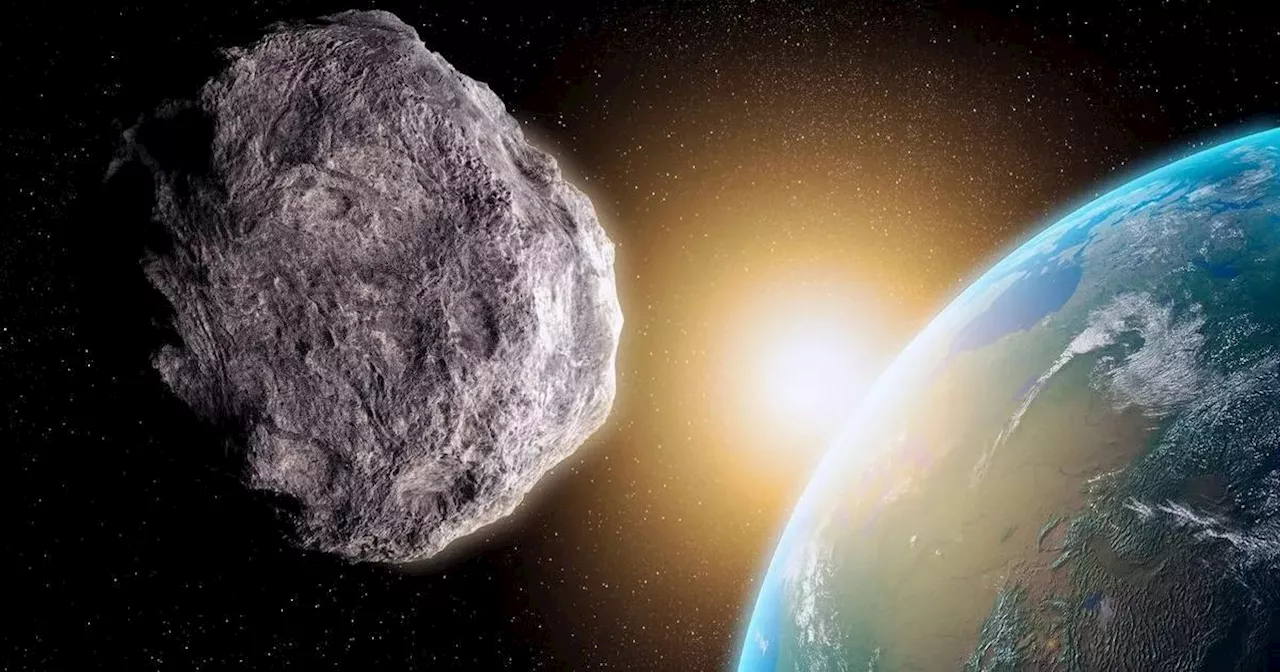 Asteroid the Size of Statue of Liberty Could Hit Earth in 2032A 100-meter wide asteroid, 2024 YR4, discovered in December, has a small chance of impacting Earth in 2032. While the odds are just over one percent, scientists are forming a global defense plan in case of a collision. The asteroid, which passed close to Earth on Christmas Day, will be closely monitored by telescopes. Both the International Asteroid Warning Network and the Space Mission Planning Advisory Group are preparing response strategies.
Read more »
 Asteroid With 1% Chance of Hitting Earth in 2032 DetectedScientists have discovered a near-Earth asteroid called 2024 YR4, which has a slim probability (just over 1%) of colliding with our planet in 2032. While experts are not overly concerned due to the low risk, the asteroid's size (comparable to the London Eye) warrants close monitoring. The asteroid, detected last month by a Chilean telescope, is currently moving away from Earth. As its orbit becomes clearer, scientists hope to refine impact predictions and potentially reduce the risk to zero. The asteroid's trajectory is being closely tracked by telescopes worldwide, with further observations expected until it disappears from view in the coming months. It will then be unobservable until 2028.
Read more »
 Asteroid With Slight Chance of Hitting Earth in 2032 DiscoveredScientists have detected a massive asteroid, 2024 YR4, which has a slight probability (over 1%) of colliding with Earth in 2032. Although experts are closely monitoring the celestial body and believe the risk could eventually fall to zero, the space rock, roughly the size of the London Eye, has sparked attention. The asteroid will become less visible in the coming months, requiring scientists to rely on historical sky surveys to refine its trajectory and size estimates.
Read more »
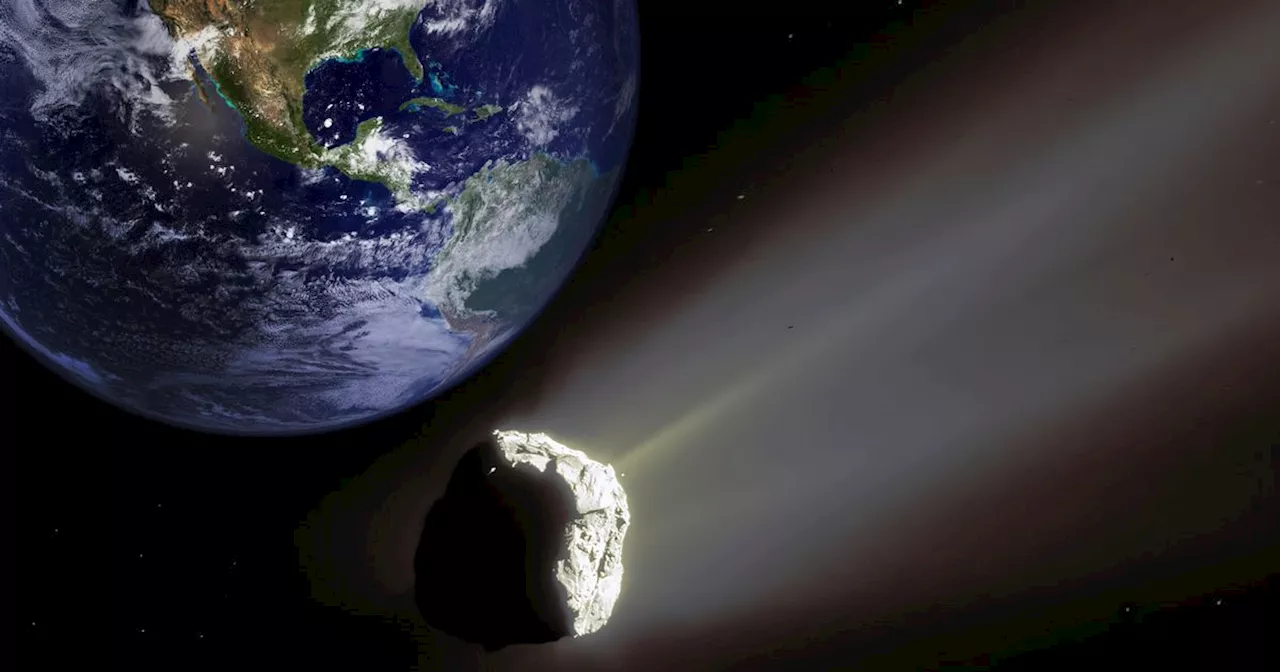 Asteroid on Collision Course with Earth: 1 in 83 Chance of ImpactA newly discovered asteroid, 2024 YR4, has a greater than 1% chance of colliding with Earth in 2032. Scientists warn of the potential for serious damage, but emphasize the most likely outcome is a miss.
Read more »
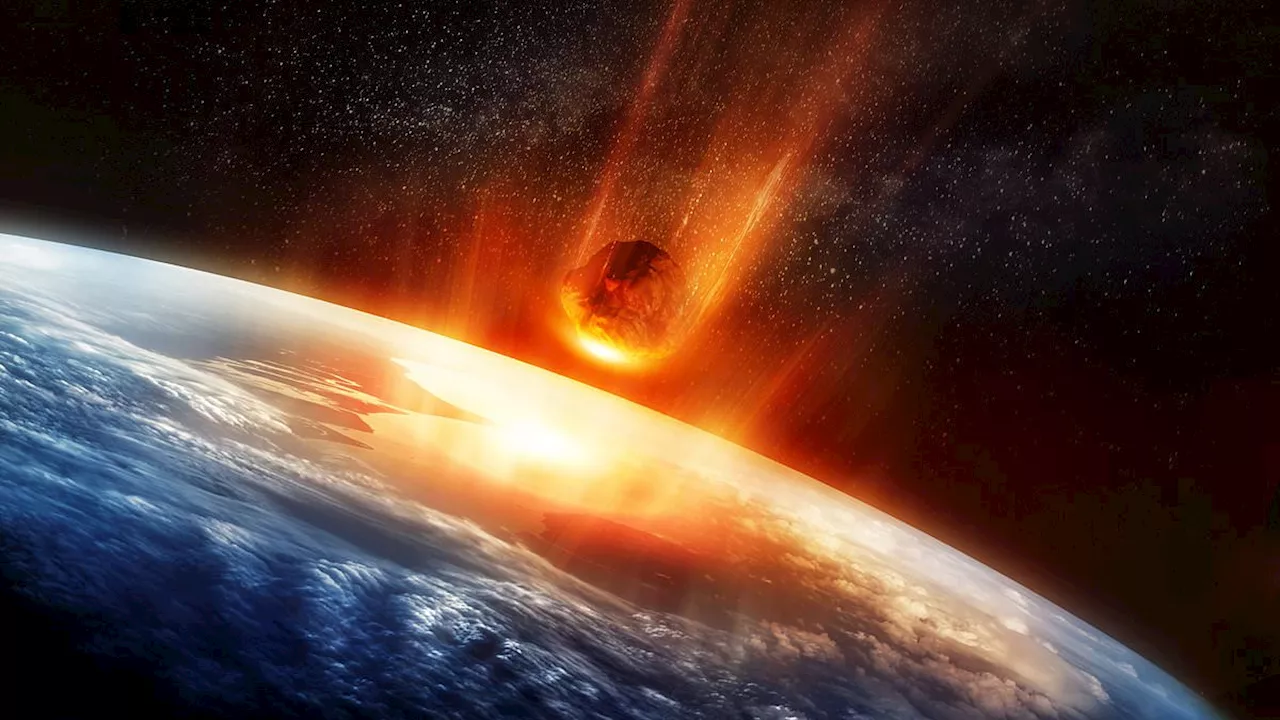 City-Destroying Asteroid Has Chance of Hitting Earth in 2032Scientists warn that a newly discovered asteroid, 2024 YR4, has a 1.2 percent probability of colliding with Earth on December 22, 2032. The nearly 200-foot-wide space rock could cause significant damage, especially if it lands in a densely populated area.
Read more »