
In the race between battery-powered buses and hydrogen-powered ones, there is no certainty about the winner. Wrightbus makes both, but its most striking gamble is on hydrogen
The site is owned by Wrightbus, whose buses all had diesel engines just four years ago. In 2022 60% of the buses it made were clean, at least in terms of exhaust-pipe emissions; this year 90% will be in that category.
Most of those buses are battery-powered, but Wrightbus’s most striking bet is on hydrogen. The firm has gambled on the fuel, building the world’s first double-decker hydrogen bus. A hydrogen fuel cell, which converts the pressurised gas into electricity, drives the motor; water is the only by-product. Wrightbus already has 144 single- and double-decker hydrogen buses on British and Irish roads—almost the entirety of the’s hydrogen-bus fleet—and orders for another 53 buses which will go as far afield as Germany and Australia. Wrightbus is an unlikely pioneer. Mismanagement had caused the 73-year-old firm to collapse into administration in 2019. By the time Jo Bamford, whose family runs, a big construction-equipment firm, bought it a few weeks later, its 1,150-strong staff had shrunk to 56. Now the firm has 1,000 employees, and the main constraint on growth is recruitment in an area with near-full employment. Buta Atwal, who oversaw the firm’s green transformation before stepping down as chief executive at the end of last year, reckoned that hydrogen will win out over batteries as the most effective investment for most buses. The technology requires about eight minutes’ refuelling time, much snappier than the hours spent charging batteries. Hydrogen buses have a much longer range than battery-powered ones, which matters for rural or intercity transport. The technology can also be applied to similar large vehicles, such as bin lorries. Mr Bamford is an evangelist: another of his companies produces the fuel andOthers are much less convinced, simply because of how much has to be done to make thework. Clean versions of the gas are in short supply. More than 95% of current hydrogen production globally is made from natural gas but does nothing about the carbon dioxide thereby emitted. “Blue hydrogen” requires this carbon to be captured and stored; “green hydrogen” is produced from water, using an electrolyser that has to be powered by renewable energy. The fuel must be stored and transported using purpose-built infrastructure—unlike electricity, which is already delivered to every home and business. Just building a hydrogen fuel station can take an estimated 18 months. Government subsidies will be crucial to all this. President Joe Biden’s green spending splurge in America includes plans to reduce the cost of clean hydrogen to $1 a kg within a decade . Thesays that hydrogen could contribute 13-20% of the bloc’s fuel mix by 2050 . This is an environment made for lobbying;In the race between battery-powered buses and hydrogen-powered ones, there is no certainty about the winner. Users may not care. Clean-energy buses of both stripes bring an unglamorous form of transport closer to the comfort of trains. Silent, vibration-free travel is more likely to tempt commuters out of cars than a noisy vehicle belching diesel fumes. And whichever technology prevails, a firm that had broken down three years ago hopes to be among those to take advantage.
United Kingdom Latest News, United Kingdom Headlines
Similar News:You can also read news stories similar to this one that we have collected from other news sources.
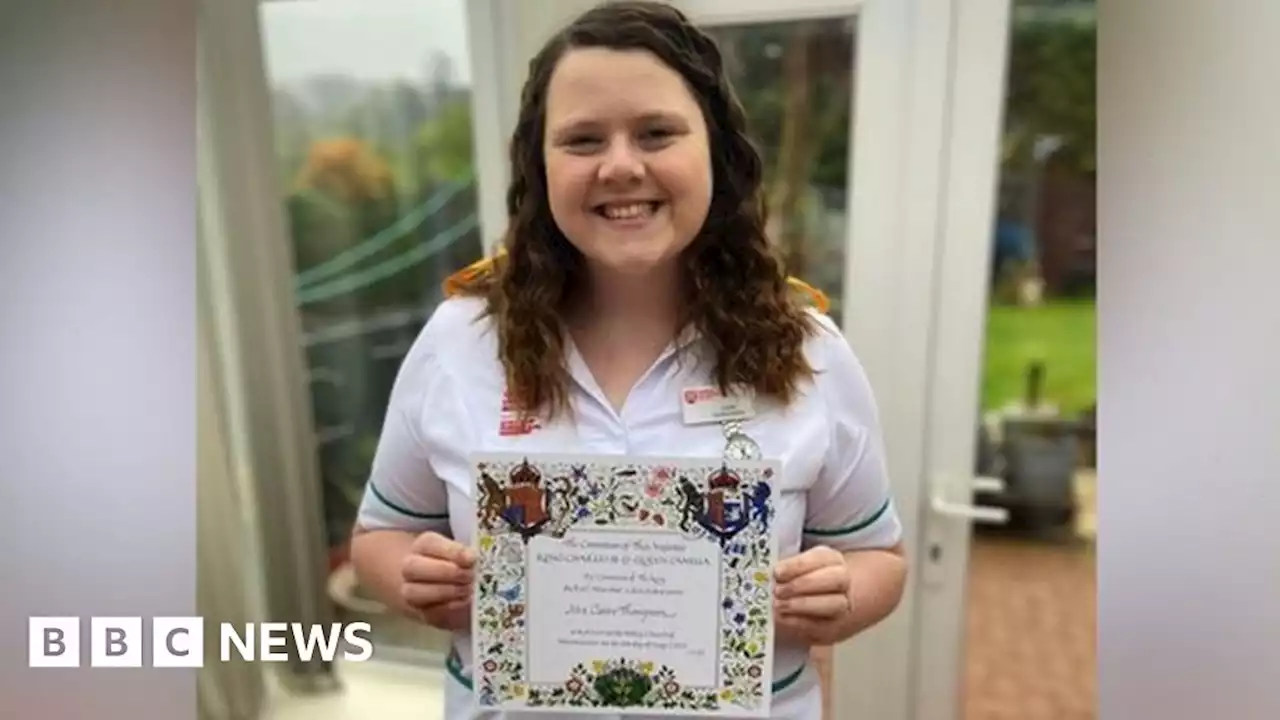 King's Coronation: Guests from Northern Ireland with bird's eye view'I thought my invitation to the King's Coronation was a prank!' Guests from Northern Ireland speak of their pride after being asked to attend in recognition of their charitable or community work
Read more »
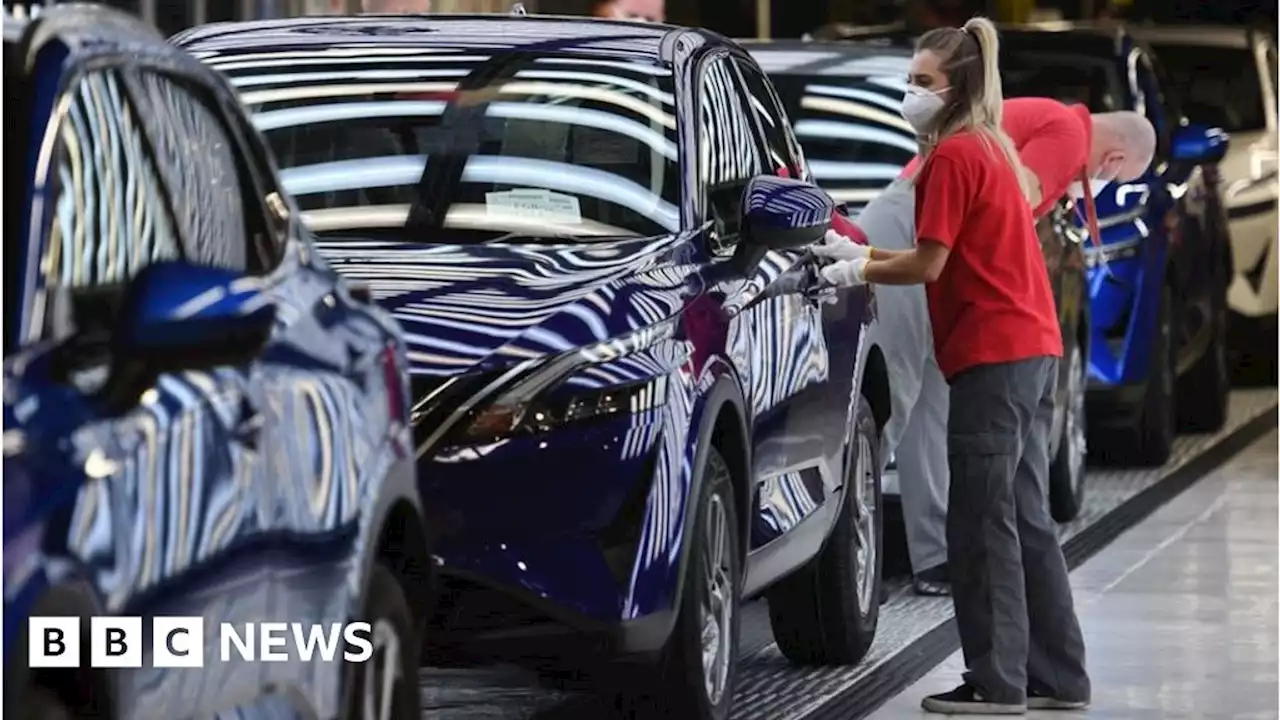 Northern Ireland new car sales continue to rise in 2023Latest figures show that sales of new cars in Northern Ireland continued to recover in April.
Read more »
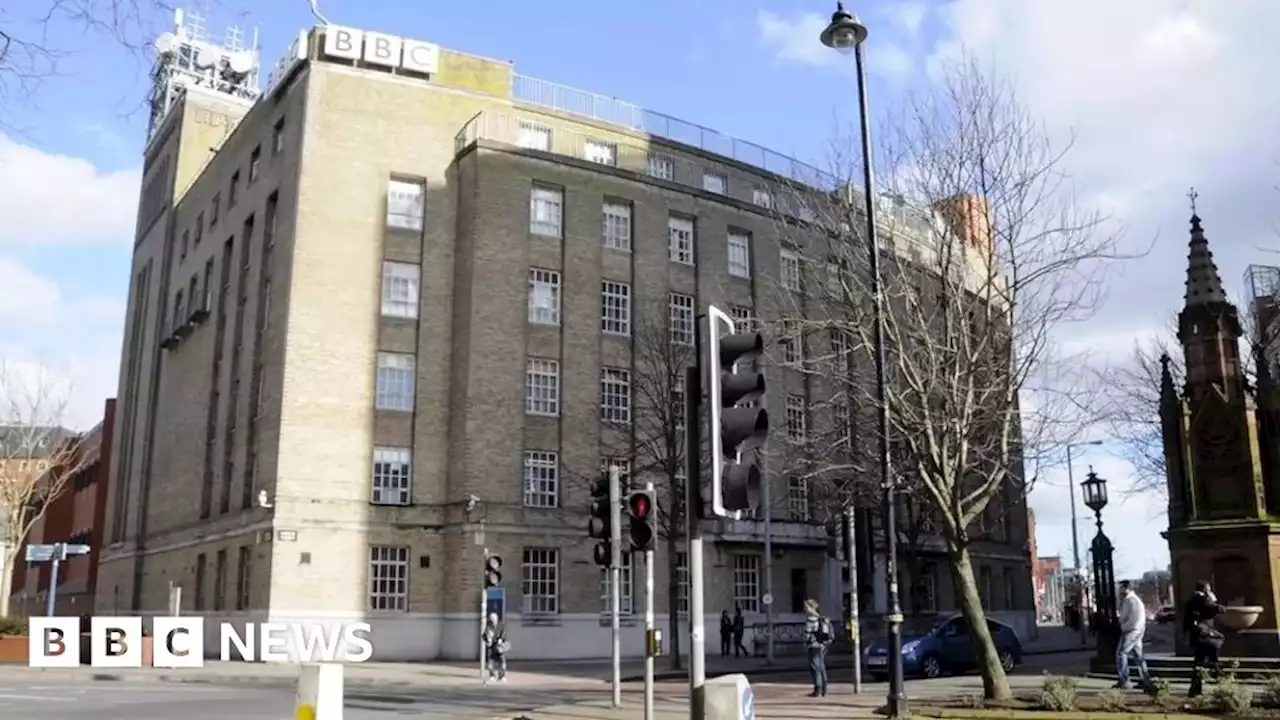 Union members at BBC Northern Ireland vote for strike actionMembers of the National Union of Journalists at BBC Northern Ireland have voted in favour of industrial action over job cuts and programme changes
Read more »
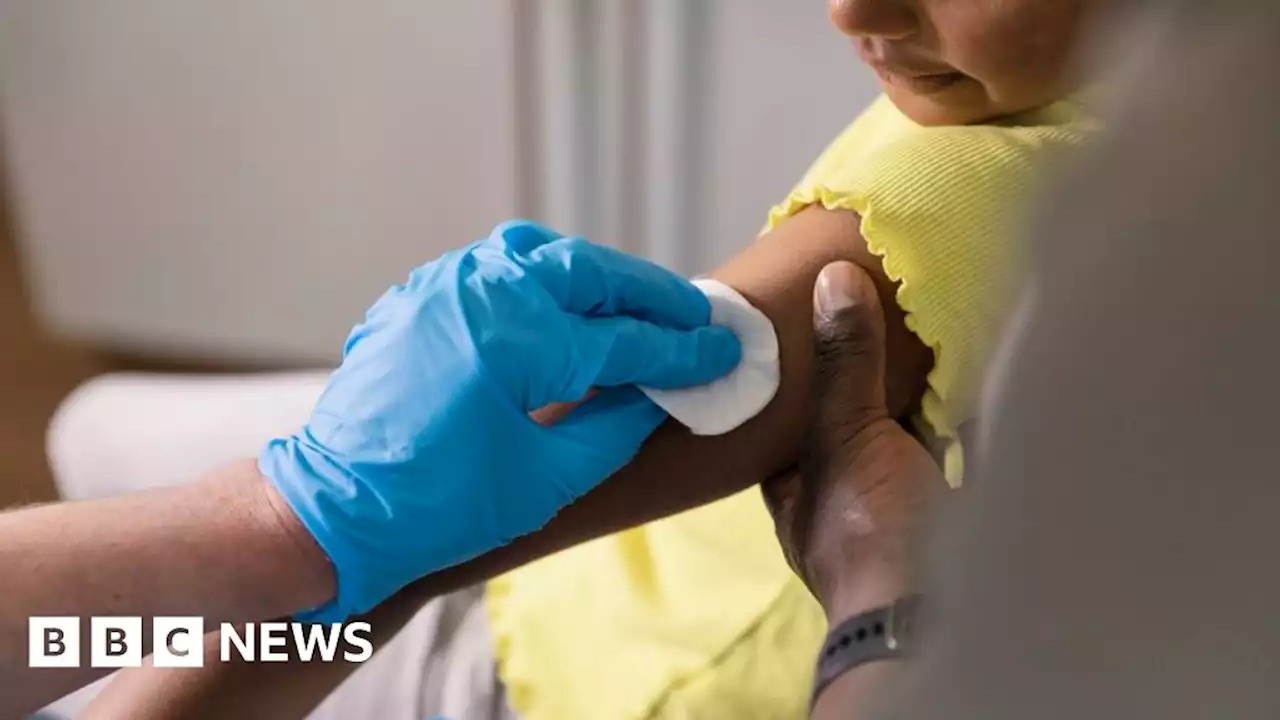 Vaccines: Pre-school uptake in Northern Ireland in steady decline, report saysThe number pre-school vaccinations is steadily declining with 15,000 children not fully immunised against measles, mumps and rubella in the past seven years, an NIAuditOffice report has found.
Read more »
 Northern Ireland royalists on The Mall ahead of coronationRoyal enthusiasts from Northern Ireland are camping out to reserve the best spot to see King Charles.
Read more »
 Northern will play classical music to try and stop anti-social behaviour“The classical music trials proved very interesting – and the results speak for themselves.'
Read more »