


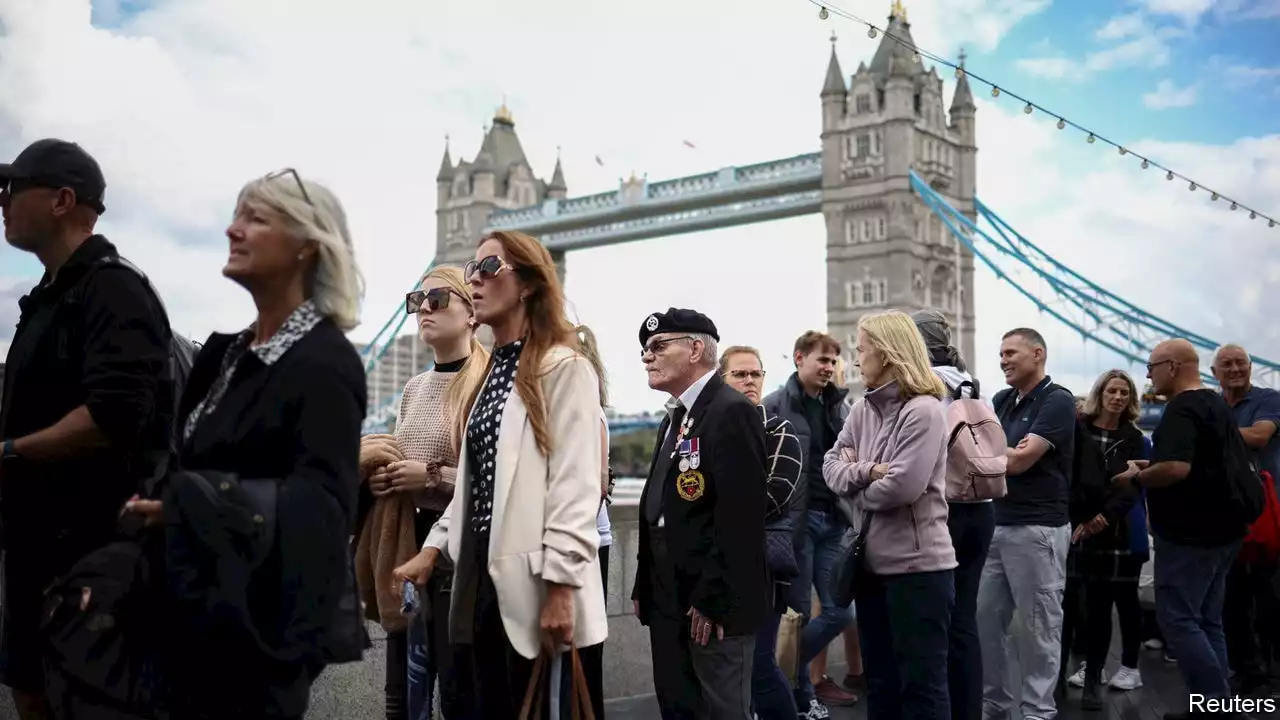
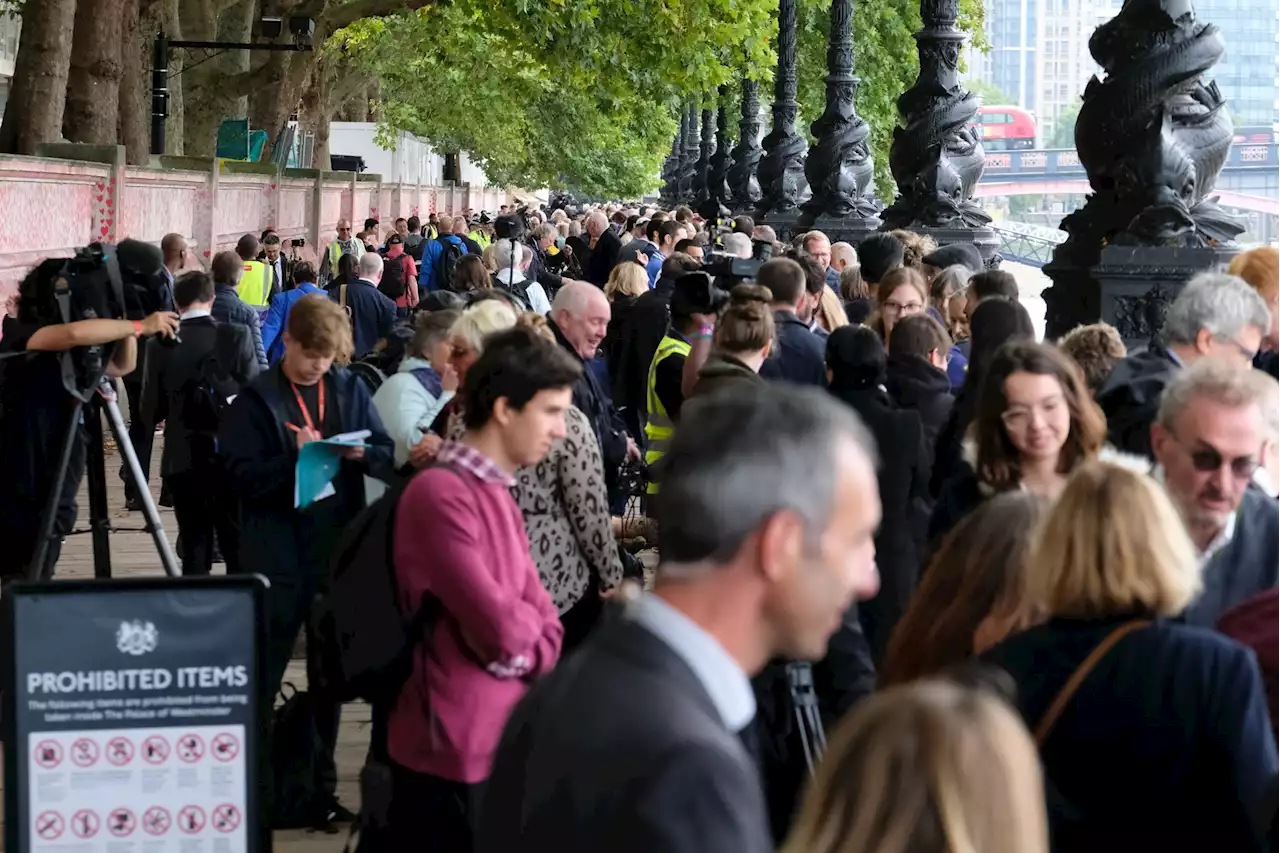
Hundreds of thousands of Britons have responded to the death of Queen Elizabeth II in a very British way: by queuing
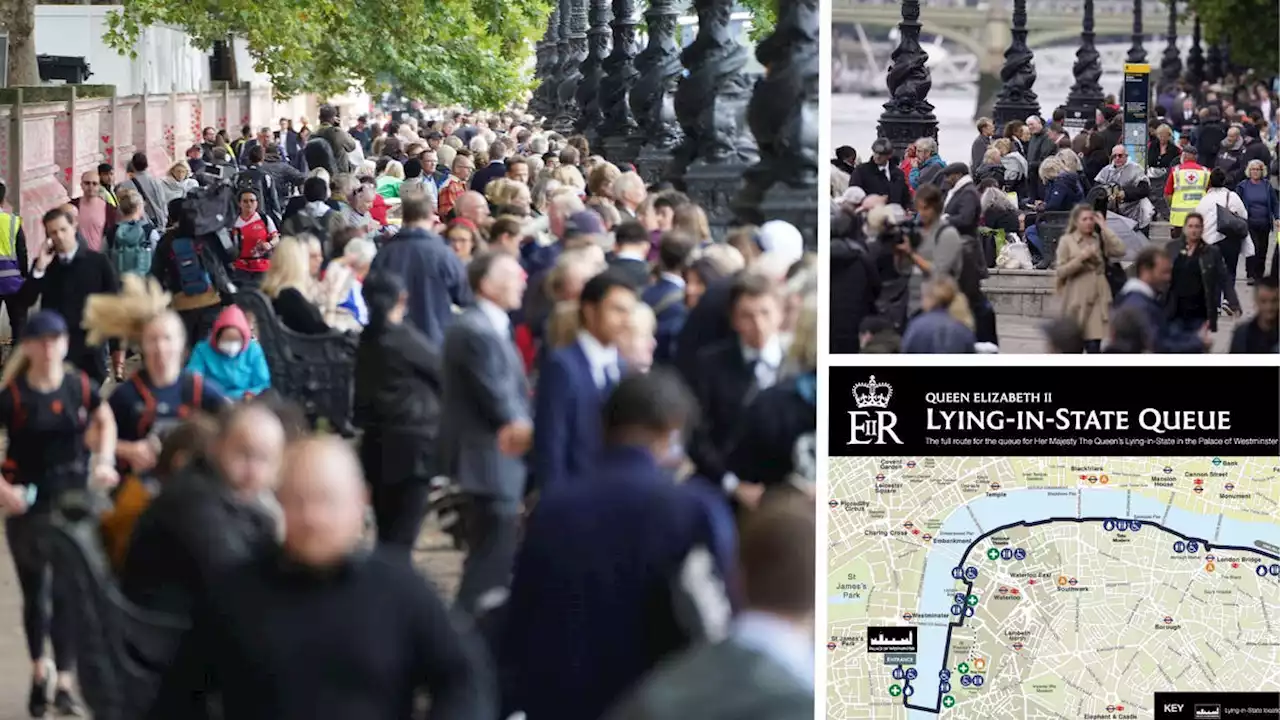
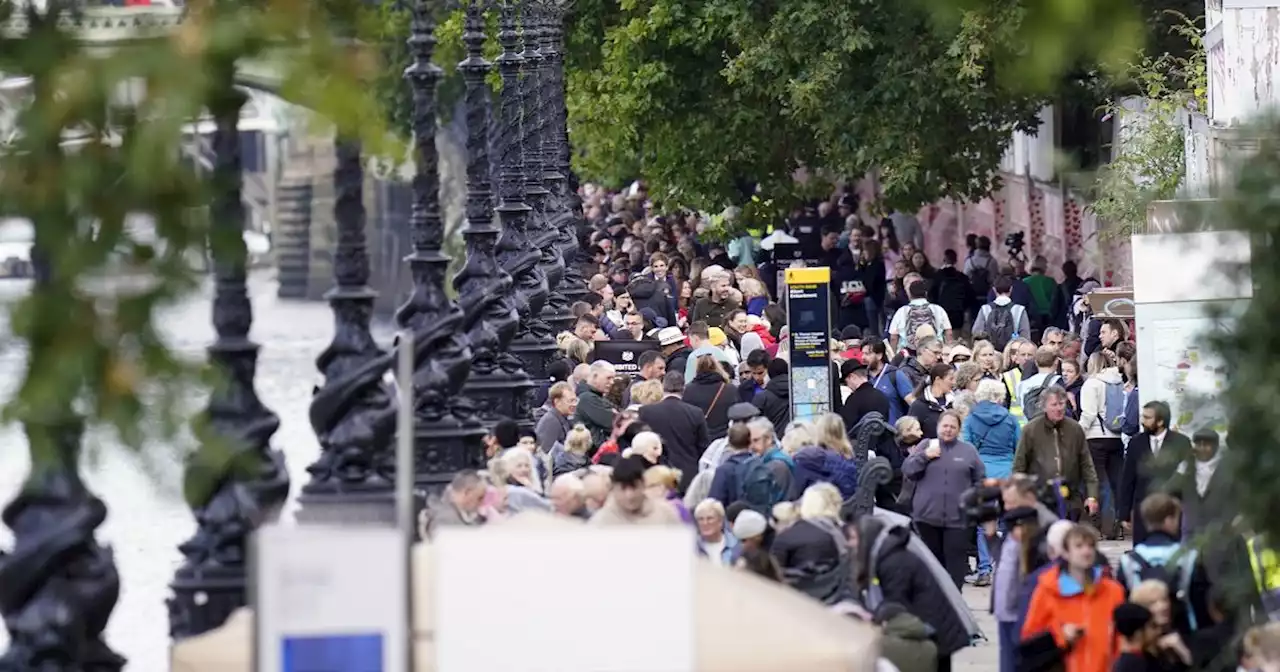
started to form on September 12th, two days before viewings in Westminster Hall began. By the afternoon of September 15th the estimated waiting time in London was over eight hours. It will continue, day and night, until 6.
30am on September 19th, the morning of her funeral. As the line snaked for miles along the Thames, observers reacted appreciatively. One tweet called The Queue “the greatest bit of British performance art that has ever happened”. But is queuing the best way to do things? Organisers needed a way to allocate scarce resources, or in this case, limited slots to file through Westminster Hall past the coffin. An ideal system would give spots to those who value them the most, with everyone having an equal shot at securing one. A queue effectively rations out the spots to those who turn up first—and who are willing to wait. An alternative might have been a lottery, with spots randomly allocated to a subset of those who applied, as was deployed for a concert to mark the queen’sin June. Or even perhaps some kind of market, with prices for each time slot set high enough to balance supply and demand. To visit Buckingham Palace, for example, one must buy a ticket. As a rationing mechanism, a queue has some advantages. Participating in a line that could stretch overnight, or at least several hours, is a strong signal of one’s eagerness. It also reduces the risk that those who cannot afford to pay for the privilege are shut out. But it has drawbacks. Although participants are not paying money for their spot, they are paying in time and comfort. Economists fret that a queue such as this favours those without much else to do and excludes those who cannot, for example, afford to skip work. Others, such as the frail and the sick, might not be able to access the queue at all. The alternatives reduce the inefficiency of long waits. But they have their own disadvantages. A lottery system risks those who feel very strongly about seeing the queen losing out to someone lucky who does not care very much. A market-based system will allocate spots based on who values the experience—and who is also most able to pay. That would seem distasteful and unfair. A study published in 1977, by Martin Weitzman, then of the Massachusetts Institute of Technology, showed that, in cases where needs were more equally distributed or where income was more unequally distributed, rationing outperformed pricing in its ability to allocate things to whoever needed them most. Unregulated queues, where people can swap their spots, can be taken over by market mechanisms. Paying someone to queue in your place to get tickets to a Broadway show in New York costs $50 for a wait of two hours and $25 for each extra hour after that. Britons, typically keen and fair queuers, would probably disapprove of such intervention. Queuers lining up in London are given wristbands to identify their place in the line. That makes spots non-transferable. It also prevents queue-jumping and allows for people to pop to the bathroom. Perhaps unsurprisingly, those in the queue on the morning of September 15th were enthusiastic about, and undaunted by, the lengthy wait ahead of them. Two visitors, Josh and Adam, had spent their first three hours dealing with emails, taking work calls and soaking up the “amazing atmosphere”. A shorter queue existed for those with disabilities. Petunia, a retiree queuer, said that a paid system would not be inclusive, “and that certainly wouldn’t be something that the queen would want.” Her daughter, Holly, seemed even keener to stand around: “I think the queue is part of it.”
United Kingdom Latest News, United Kingdom Headlines
Similar News:You can also read news stories similar to this one that we have collected from other news sources.
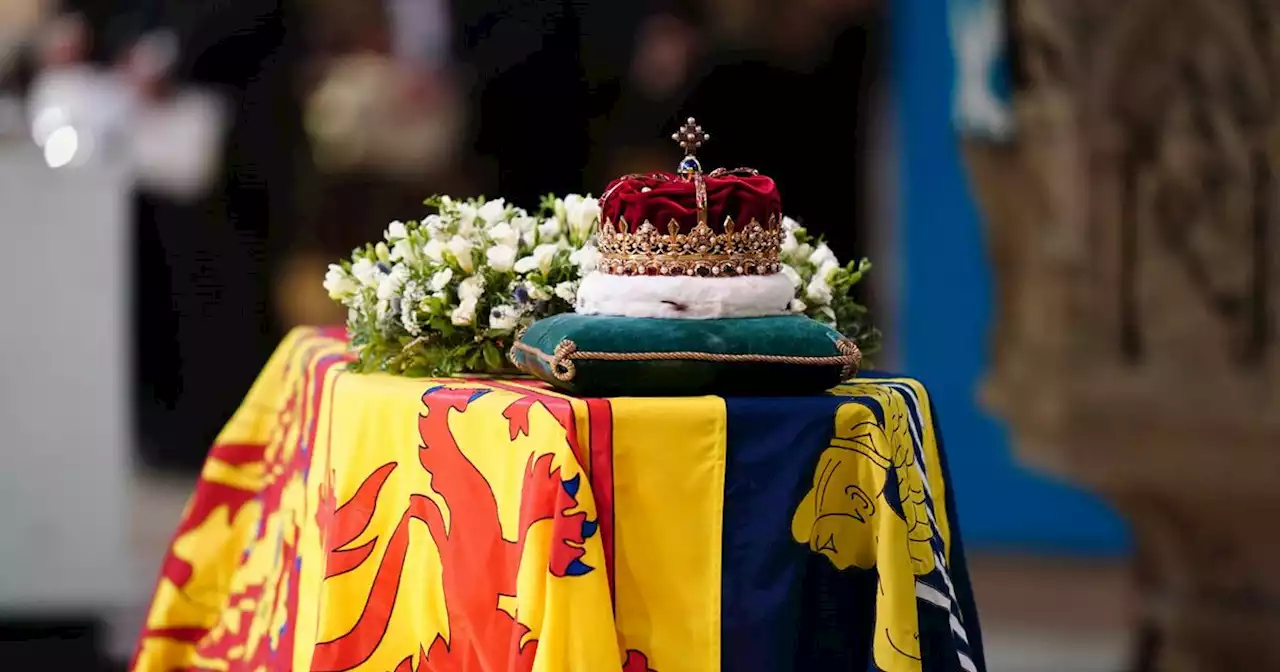 Full guidance issued for mourners visiting Queen lying in stateFull guidance issued for mourners visiting the Queen lying in state - and it shows extraordinary length of expected queues
Read more »
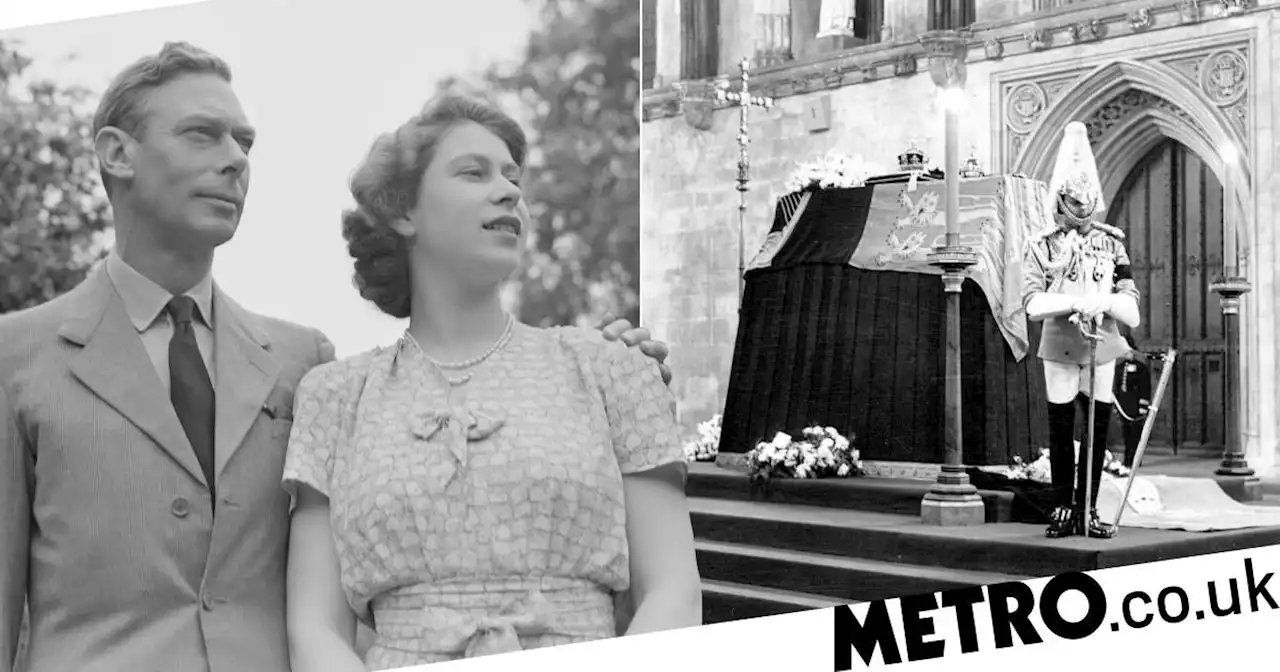 What it was like in London when King George VI was lying in state 70 years agoThe young Queen Elizabeth II took to the throne 70 years ago following the death of her beloved father King George VI who reigned for 15 years and 57 days.
Read more »
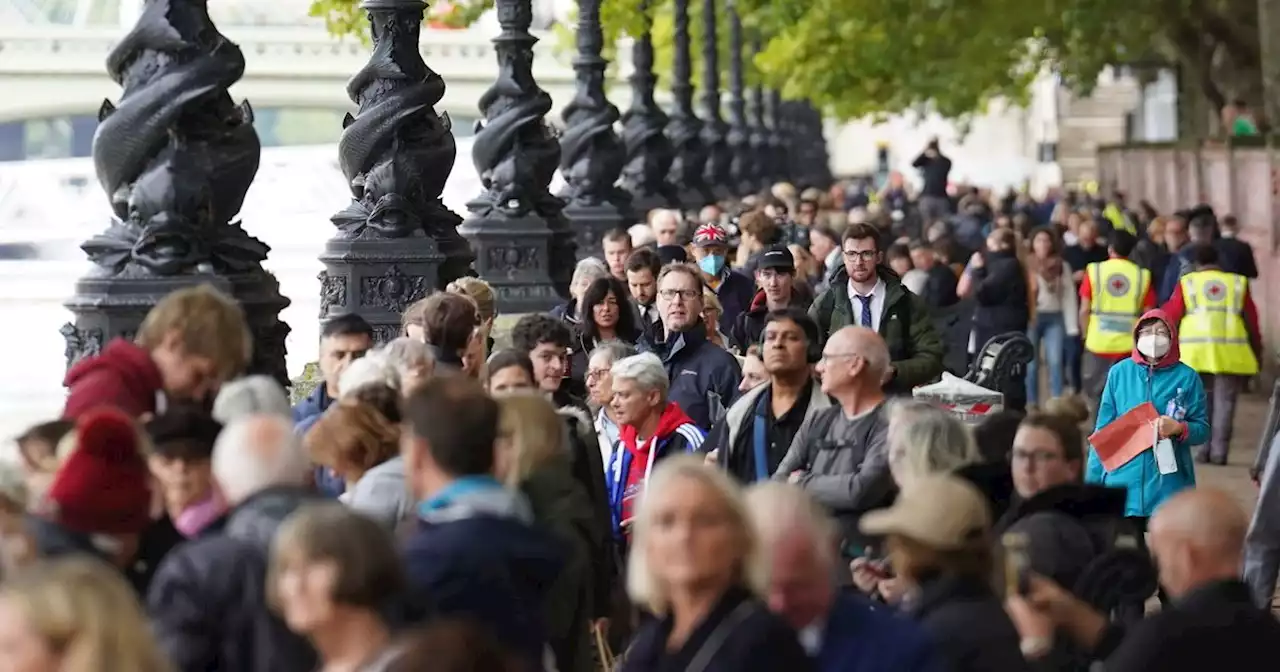 LIVE Queen lying in state queue latest and coffin procession updatesNot everyone who makes the queue will get to see Queen’s lying in state, advice which has been issued says
Read more »
 Lying-in-state queue tracker: Where the line starts and how long it will take to see the QueenLying-in-state queue tracker: Where the line starts and how long it will take to see the Queen ➡️ The queue to view the Queen lying in state is expected to be 10 miles long
Read more »
 How to join the queue for Queen's lying-in-state: What to bring and how security worksHow to join the queue to see the Queen lie in state, and what you can expect from security at Westminster
Read more »
 Queen's lying-in-state tracker shows queue length and where it endsThe tracker shows how long queues to see the Queen's coffin currently are
Read more »