
A new study led by researchers at Peking Union Medical College Hospital and the Shanghai Institute of Materia Medica has used multi-omics analysis to explore the role of lysine lactylation in heart development. The research found that lysine lactylation, a type of epigenetic modification, plays a crucial role in regulating gene expression and influencing the development and maturation of heart tissue.
A recent study led by Dr. Xiaodong Luan from the Institute of Clinical Medicine at Peking Union Medical College Hospital, Dr. Shuyang Zhang from the Department of Rare Diseases at Peking Union Medical College Hospital, and Dr. He Huang from the Shanghai Institute of Materia Medica, Chinese Academy of Science s, has shed light on the intricate molecular mechanisms governing postnatal heart development.
Utilizing a comprehensive multi-omics approach encompassing global proteomics, lactylome profiling, and genome-wide RNA sequencing (RNA-seq), the researchers meticulously examined the molecular changes occurring across various developmental stages.Their findings revealed significant alterations in proteins, lactylation patterns, and gene expression levels related to energy and nucleic acid metabolism during the crucial early postpartum period, spanning from 1 to 6 weeks after birth. These alterations stabilized after 6 weeks, suggesting a dynamic shift in metabolic processes during this critical developmental window. Intriguingly, the team observed a progressive accumulation of non-histone lactylation levels from 1 week to 6 months, while histone lactylation levels decreased rapidly during the first 6 weeks postpartum. This divergence in lactylation patterns between histones and non-histones highlights the complex interplay of epigenetic modifications in heart development.Further analysis of differentially expressed proteins between the 1-week and 6-week mouse heart revealed an upregulation of proteins involved in the TCA cycle and respiratory electron transport pathways, indicating an increase in energy metabolism during this period. Conversely, proteins involved in the processing of capped intron-containing pre-mRNA were significantly downregulated, suggesting a shift towards a more mature transcriptional profile. Notably, the adolescent mouse heart exhibited elevated levels of developmental, morphogenetic, and metabolic processes, including cellular response to chemical stimuli, organic acid metabolism, energy generation, muscle system processes, developmental regulation, and lipid biosynthesis. Conversely, nucleic acid metabolism pathways, such as cell cycle, nuclear division, chromosome segregation, and DNA replication, were downregulated, reflecting a transition towards a less proliferative state. These findings contribute valuable insights into the molecular underpinnings of heart development and provide potential targets for therapeutic interventions aimed at promoting cardiac regeneration
Cardiac Development Lysine Lactylation Epigenetics Multi-Omics Heart Regeneration
United Kingdom Latest News, United Kingdom Headlines
Similar News:You can also read news stories similar to this one that we have collected from other news sources.
 Single-Cell Omics: A New Frontier in Microbial EcologyThis article explores the potential of single-cell omics to revolutionize our understanding of microbial communities and their interactions. It highlights the limitations of traditional meta-omics approaches and how single-cell analysis can provide deeper insights into population diversity, evolutionary processes, and ecological relationships.
Read more »
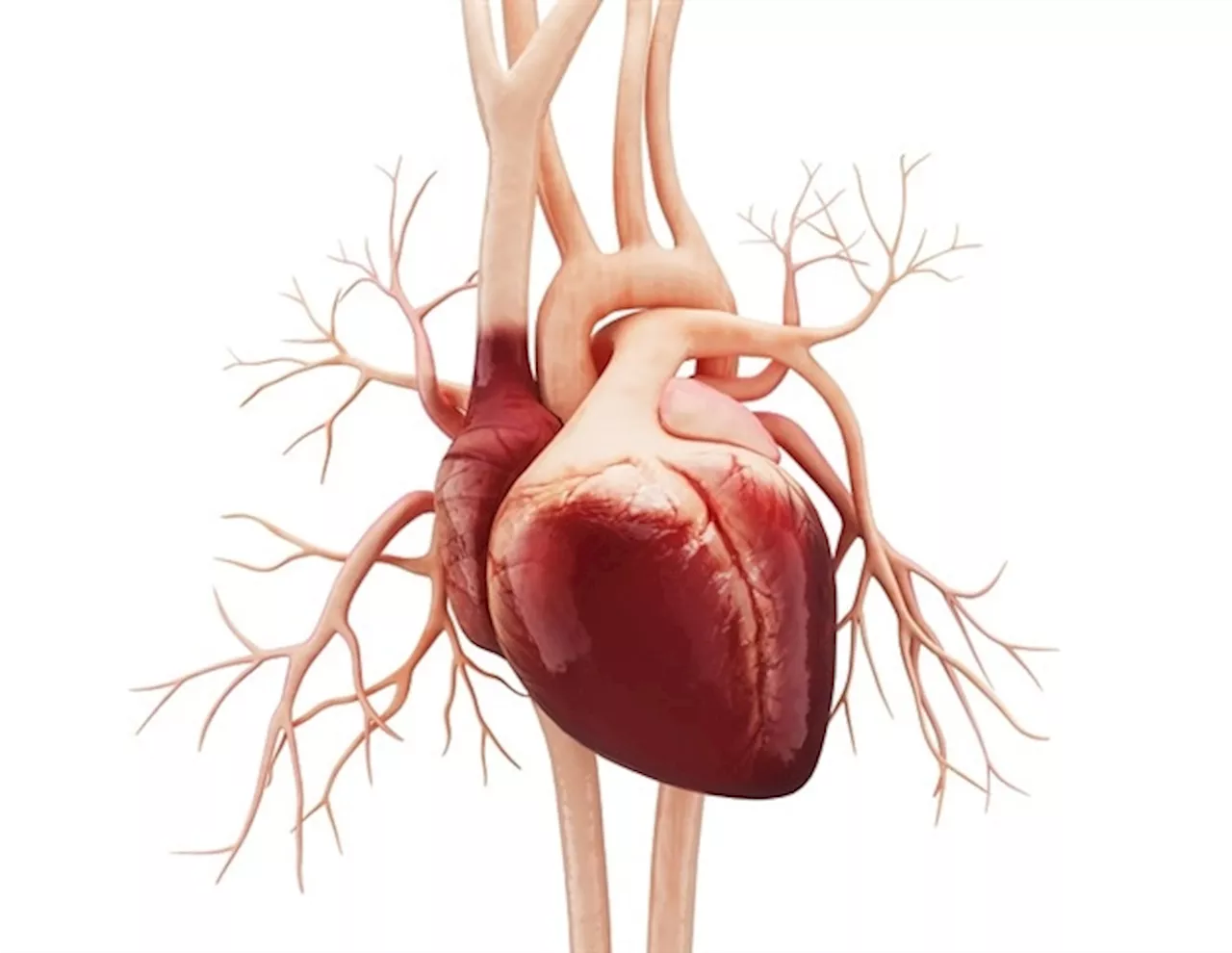 Large-scale Multi-Omics Study Identifies Novel Drug Targets for Heart FailureA new study utilized a large genetic dataset and multi-omics analysis to identify 58 novel drug targets for both heart failure with preserved ejection fraction (HFpEF) and heart failure with reduced ejection fraction (HFrEF). The findings, published in Nature Cardiovascular Research, highlight the potential for developing effective treatments for different types of heart failure.
Read more »
 Keir Starmer could actually learn something from what Donald Trump is doing and save failing Labour...Trump to unveil ‘100-day peace plan’ to end Ukraine war
Read more »
 Trump reveals he ‘spoke to Putin about ending Ukraine war’ and claims Russian tyrant ‘wants to see people s...Trump to unveil ‘100-day peace plan’ to end Ukraine war
Read more »
 Epigenetic inhibitors show promise in malaria treatmentEpigenetic inhibitors as a promising new antimalarial intervention strategy? A new study identifies an inhibitor of gene regulation that specifically kills the malaria pathogen.
Read more »
 Luton fans’ day gets even worse after being banned from pubs ahead of Watford clash...Luton Town unveil plans for state of the art brand new stadium
Read more »